Stories from Dallas & North Texas
Dallas-Fort Worth Business Boom: AI Funding, TSMC in Sherman, Private Equity and Sports Fuel North Texas Growth
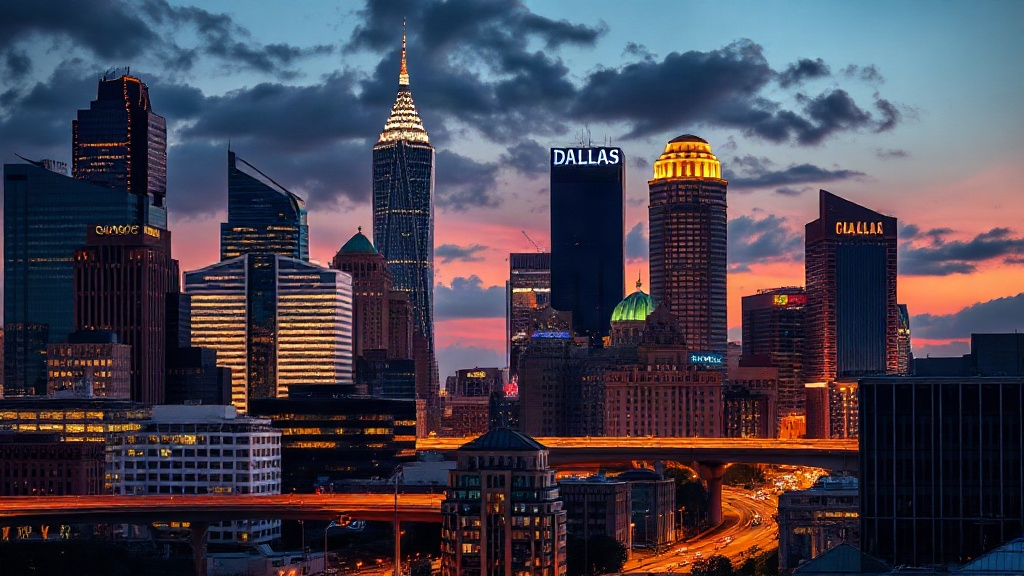
Dallas-Fort Worth has long sold itself on low taxes, a central location and a business-friendly climate. Recent headlines suggest those advantages are turning into something bigger: a region where venture capital, advanced manufacturing, private equity and professional sports are all competing for the same land, talent and attention.
AI Money Is Finding a North Texas Address
One of the clearest signals comes from the startup scene. A serial entrepreneur's new AI company has reportedly reached a $500 million valuation following a fresh round of funding, according to The Business Journals. Valuations like that used to be associated almost exclusively with the coasts.
The story matters beyond one company. Dallas has a deep bench of experienced founders, corporate executives and operators who have already built and sold businesses. When that group backs a new venture, investors tend to pay attention. The region also offers a practical advantage for AI companies that sell into enterprise customers: a dense concentration of headquarters in healthcare, financial services, logistics, energy and real estate, all industries eager to put automation to work.
Sherman and the Semiconductor Question
North of the metroplex, attention is turning to Sherman, where reporting indicates that all signs point to a major TSMC investment in Texas. Even without final details, the possibility reflects how the Texas semiconductor corridor continues to stretch beyond Austin and the established fab hubs.
For Dallas businesses, a large chip-related project in Grayson County would reach well beyond the plant gates. Construction firms, industrial suppliers, engineering consultancies, staffing agencies and commercial real estate developers all stand to benefit. Housing demand and infrastructure planning along the US-75 and US-377 corridors would also shift. North Texas communities from Frisco to Denison are already planning for growth, and a project of this scale would speed that up.
Private Equity Stays Active
Dealmaking is another bright spot. The Business Journals recently reported that a Trinity Hunt portfolio company is opening its wallet for acquisitions, while Princeton Equity recorded an exit after closing a $1.3 billion fundraise. Both items point to a healthy local private equity ecosystem.
Dallas has become a natural home for middle-market investors, thanks to its mix of family-owned businesses, founder-led companies and mature industrial and service firms. For owners thinking about succession or a sale, that means:
- More local buyers who understand regional markets - Competitive interest in well-run companies with steady cash flow - Add-on acquisition strategies that reward niche specialists - Growing access to capital for expansion and professionalization
A successful exit paired with a large new fund is exactly what keeps this cycle moving, since returns to investors tend to fuel the next round of investment.
Sports, Real Estate and the Suburban Race
Dallas business is also tied to the sports economy. Plano's mayor recently hinted at a quick decision involving the Dallas Stars, a reminder of how much cities value franchises as anchors for development. Teams bring training facilities, entertainment districts, hospitality demand and national visibility, and suburbs like Plano, Frisco and Irving compete hard to host them.
That competition reflects a larger pattern. Corporate relocations, mixed-use developments and sports-centered projects increasingly cluster in the northern suburbs, while the urban core works to keep its own momentum with office conversions, residential towers and new retail.
What It Means for Local Companies
Taken together, these stories point to a few practical takeaways for business owners and professionals in the region:
- Talent will stay competitive. AI startups, chip-related projects and corporate expansions all draw from the same pool of engineers, technicians and managers. - Real estate will keep shifting north. Industrial, residential and commercial demand is following major announcements. - Capital is available. Between venture funding and private equity, growth-minded companies have more options than they once did. - Suppliers and service providers have an opening. Large projects create demand for everything from legal and accounting support to logistics and facilities management.
The common thread is momentum. Dallas is no longer just a regional hub for corporate headquarters. It is becoming a place where new companies are funded, advanced manufacturing is planned and long-term investment decisions are made. Businesses that position themselves early, whether by building relationships with investors, preparing for supply chain opportunities or planning for workforce growth, will be best placed to benefit as the region's next chapter unfolds.